
Social Media Guidelines
Best Practices
Our values guide our behavior in the world and on social media. Drama depreciates faster than bad square footage. Adhere to these do's and don't's in order to post like a professional.

Do be authentic and consistent.
People connect with sincerity. Share content that reflects who you are or what your brand genuinely stands for, and keep a steady rhythm so your audience knows what to expect.
Do engage with your audience.
Respond to comments, answer questions, and acknowledge feedback. Interaction signals that you value your community and keeps conversations active.
Do keep your tone professional.
Even casual platforms benefit from clarity, respect, and minimal drama—especially if your posts reflect your workplace or professional identity.
Do add value with your posts.
Share insights, resources, stories, behind-the-scenes moments, or helpful tips. Content that teaches, entertains, or inspires tends to earn more trust and engagement.
Do verify information before sharing.
Misinformation spreads fast. Check sources, especially for news, statistics, or anything that could influence public opinion.
Do credit original creators.
Tag people whose content, images, or ideas you’re borrowing. It builds goodwill and shows respect for creative work.
Do protect your privacy.
Adjust your settings, be mindful of what you reveal, and limit personal details that could expose you to scams or unwanted attention.
Do keep brand voice and goals in mind.
Align posts with your broader messaging and strategy so your online presence feels cohesive and intentional.
Do use visuals and formatting for readability.
Well-designed images, short paragraphs, and thoughtful layouts keep users engaged in a fast-scrolling environment.
Do track trends, and adapt them thoughtfully.
Trends can boost visibility, but only participate when they make sense for your style or message.

Don’t overshare.
Once something is posted, it’s hard to fully erase. Be cautious with details about your location, finances, relationships, or workplace issues.
Don’t engage in arguments or hostility.
Public conflicts can escalate quickly and damage your reputation. When discussions get heated, step back or move to private messages.
Don’t post when you’re angry or emotional.
Give yourself time to cool off. Impulsive posts often lead to regrets or misinterpretation.
Don’t ignore accessibility.
Avoid text-heavy images without alt text, use readable fonts, and consider captions for video content. Accessibility grows your audience and shows care for inclusivity.
Don’t copy content without permission.
Screenshots, artwork, music, and video clips are often copyrighted. Using them without consent can create legal and ethical issues.
Don’t flood followers with excessive posting.
Overposting can feel spammy and make people tune out or unfollow.
Don’t rely solely on automation.
Scheduling tools are helpful, but too much automation removes the human touch and can lead to tone-deaf posts if world events shift.
Don’t share confidential information.
Internal policies, financial details, client information, and upcoming announcements should never be posted publicly.
Don’t chase trends at the expense of values.
Jumping on every challenge or meme can make your presence feel inauthentic or scattered.
Don’t compare yourself to others.
Social media often shows highlights, not reality. Comparing your life or performance to curated content can harm confidence and creativity.



Design Tips
Designing for social media is both an art and a strategic discipline. Below are a few best practices that help your content stand out, feel intentional, and support your goals across platforms.
Start with platform-specific purpose.
Every platform has its own culture, cadence, and creative strengths. Plan your strategy and design with each platform’s expectations and behaviors in mind.
Define a recognizable visual language.
Consistency helps people recognize your brand. Consider:
- A consistent color palette that reflects tone and emotion.
- Typography for headlines, body text, and when to vary.
- Signature graphic elements, patterns, or iconography.
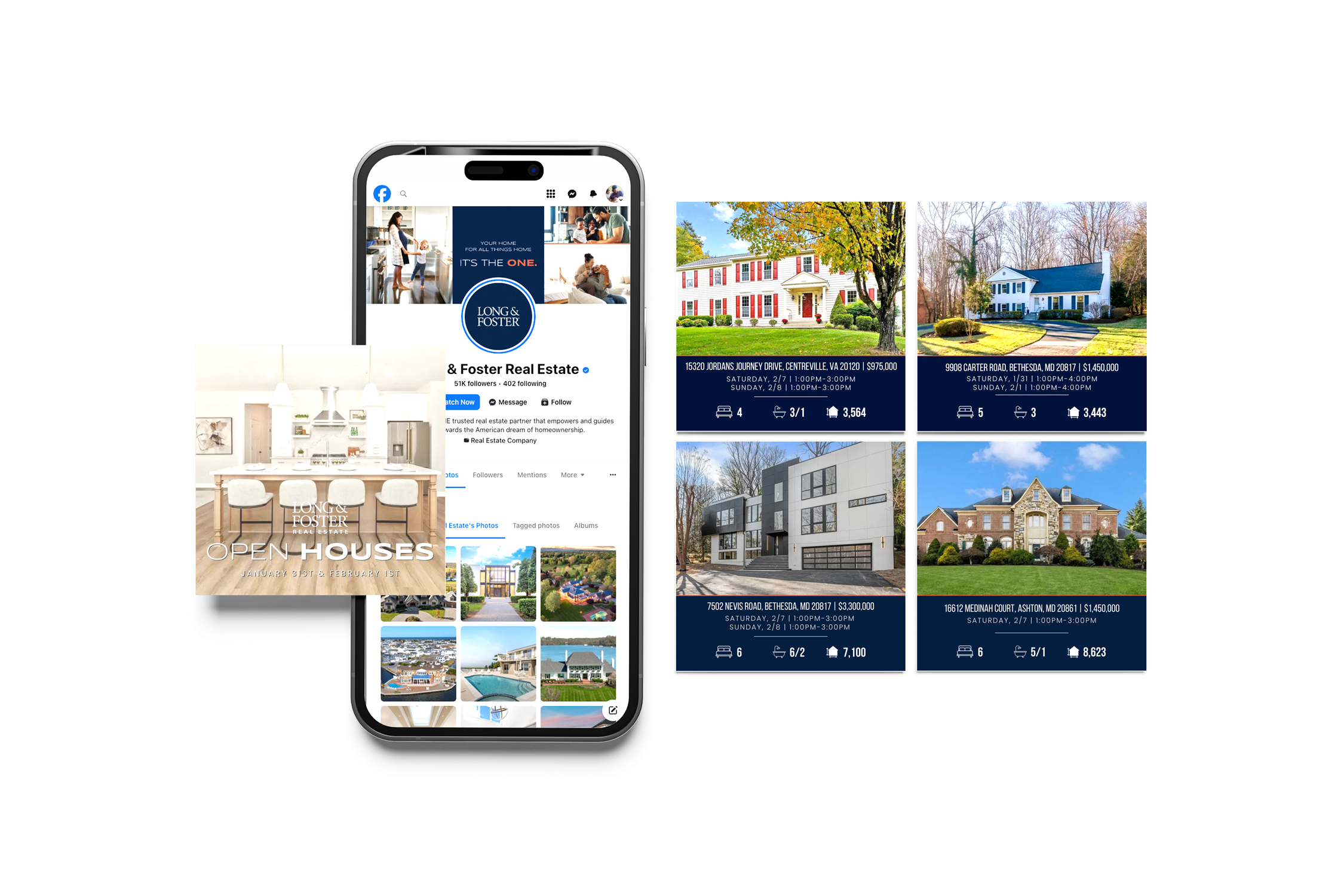
Plan around the first 1–3 seconds.
People scroll fast. Capture attention using these tactics:
- High-contrast focal points.
- Dynamic motion in video or animated text.
- A clear, bold headline.
- Use of scale and composition for visual hierarchy.

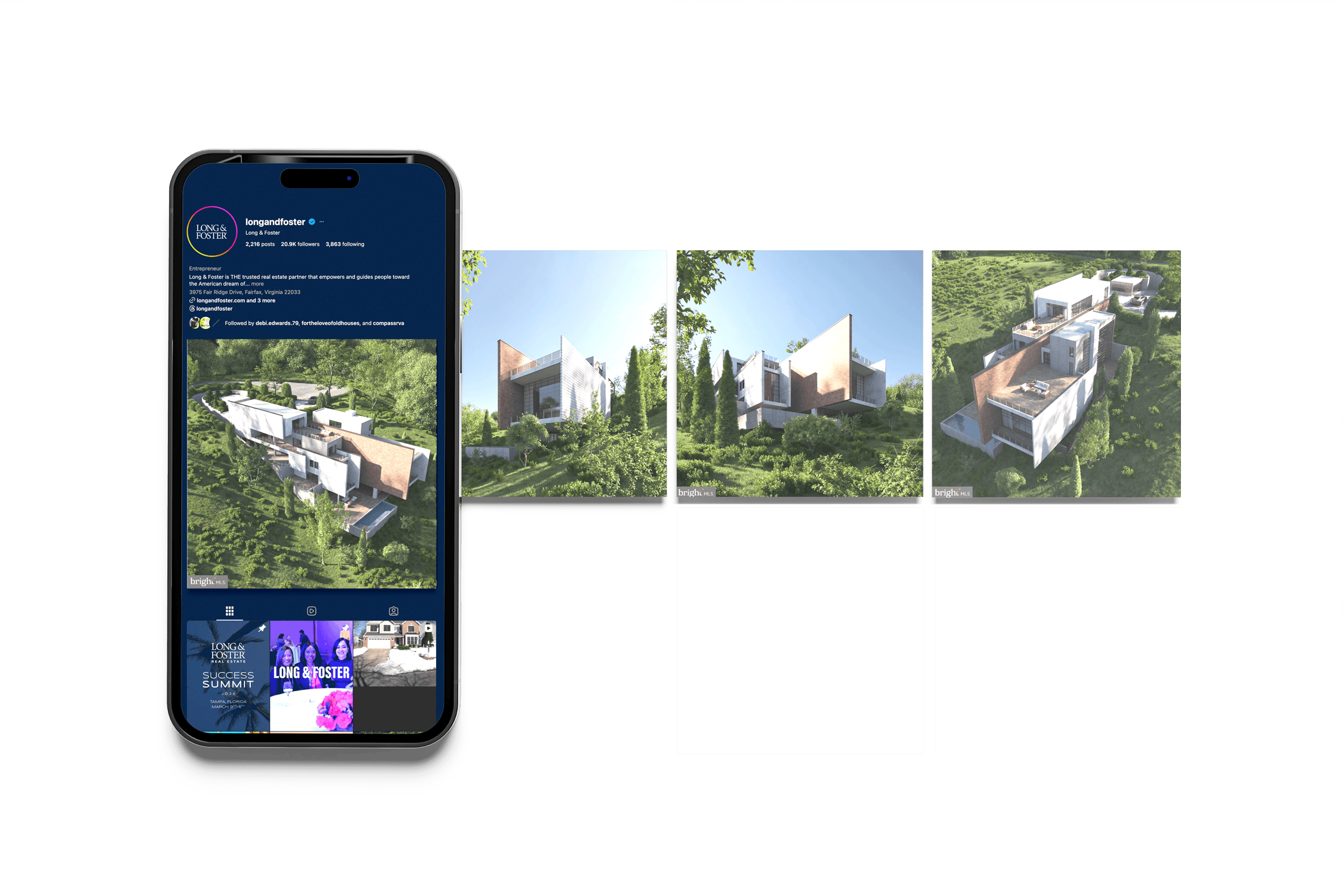
Use carousels for depth and engagement.
Carousels outperform single posts. They’re great for:
- Step-by-step explanations
- Before/after comparisons
- Multi-point storytelling
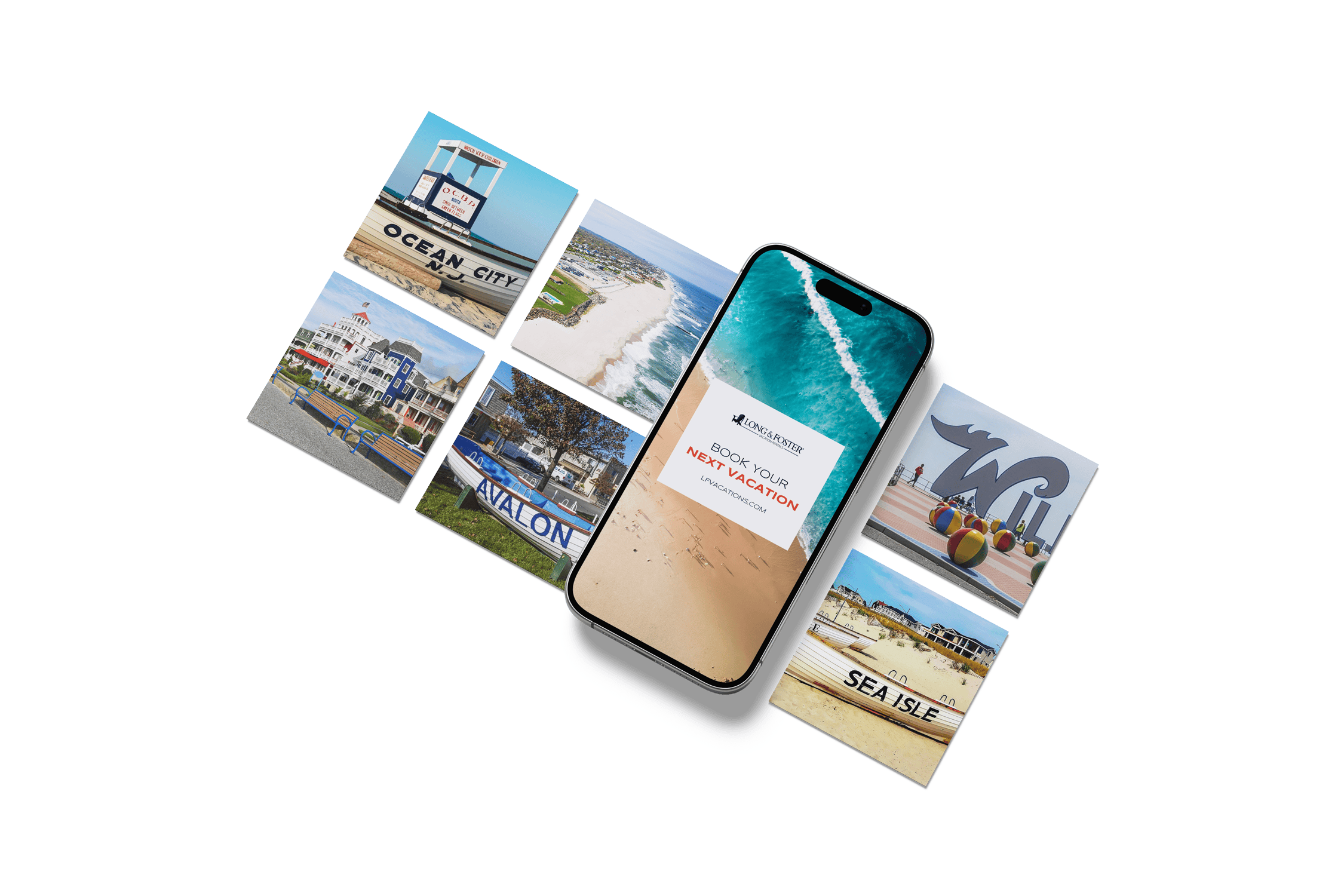
Prioritize mobile-first composition.
Since most social browsing is on phones:
- Keep text large enough to read on a 5–6” screen.
- Avoid clutter—small details will be lost.
- Use vertical or square formats.
(Reels, TikTok, and Stories)
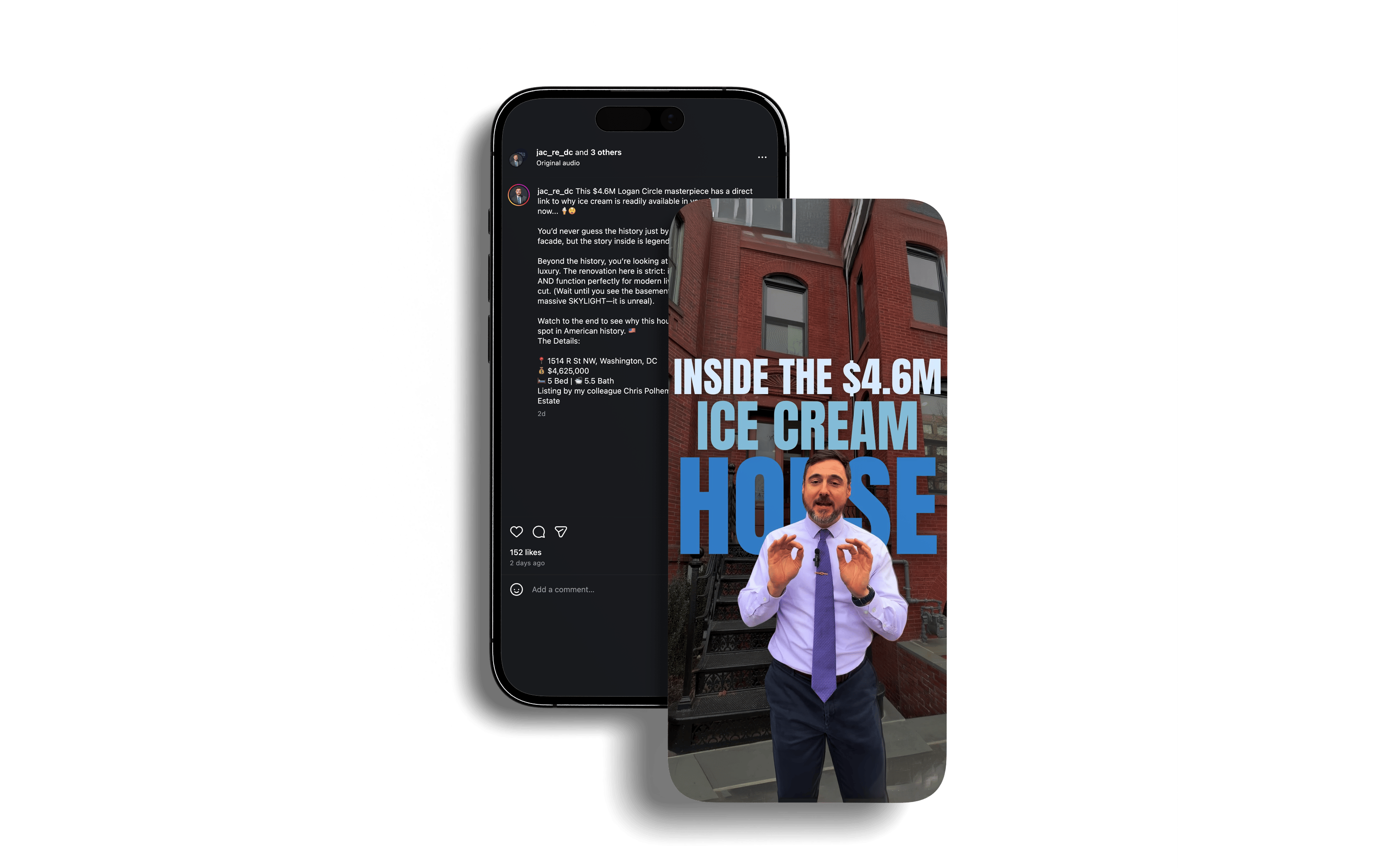
Tell a story visually.
Whether it’s a single post or a carousel:
- Organize information with a narrative flow.
- Use hierarchy to lead the viewer’s eyes.
- Include emotional or human elements.
(Faces, product-in-context, expressions, movement)
Optimize for accessibility.
Accessible design expands your reach and helps clarity.
- High color contrast
- Alt text that describes key details
- Avoid flashing animations
- Add captions to all videos

Getting Started
Use these guidelines to help you navigate today's world of Social Media. For additional resources, such as downloadable images and videos as well as access to iDesign templates, visit the Social Media page on Foster.